
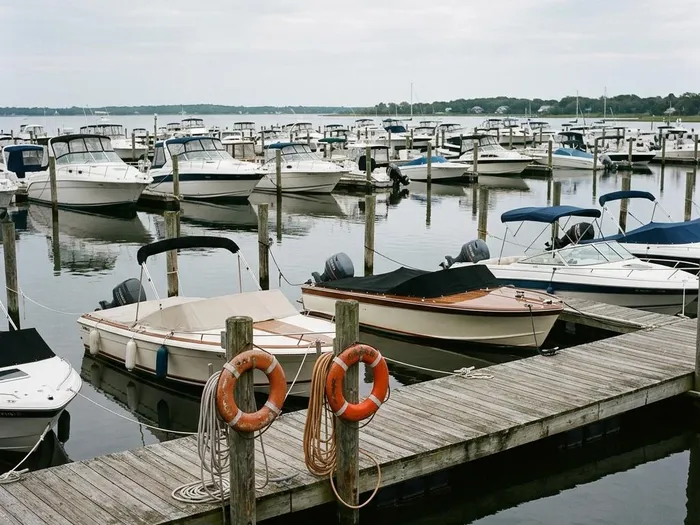
Long Island’s bays, harbors, and surrounding waters are used by recreational boaters, fishing vessels, personal watercraft, and commercial operators. An injury on the water can involve a collision, an unsafe maneuver, a boarding incident, or faulty equipment. Determining the legal rules requires more than identifying that a boat was involved.
A Long Island boating accident lawyer can review where the event happened, the vessel’s use, the people involved, and the conduct or condition that caused harm. The distinction between a recreational guest, paying passenger, and crew member can matter, as can the relationship between New York law and federal maritime law.
The waterway and vessel’s use affect the analysis
A collision in navigable waters can raise different questions from an injury at a dock or on land beside a marina. Identify the waterway, approximate location, departure point, destination, and vessel type. If coordinates, navigation history, or a trip recording are available, preserve them rather than relying only on a general description of the area.
The purpose of the trip is also important. A charter, ferry, recreational outing, and work assignment may involve different duties, documents, and potential claims. Do not assume that the procedure used after a highway crash can simply be transferred to a boating injury without considering those differences.
Investigate operation, ownership, and equipment
Potential issues include lookout, speed for the conditions, navigation decisions, intoxication, passenger placement, and equipment condition. A vessel owner, operator, rental business, or other party may require investigation depending on the facts. The existence of rough water or another boat’s wake does not by itself resolve whether someone failed to use reasonable care.
An equipment problem may require preserving components, service records, and information about earlier complaints or repairs. If a boarding incident occurred, document the dock, steps, handholds, gap, and movement between the vessel and shore. Connect each suspected problem to how the injury actually happened rather than assuming every defect is legally relevant.
Separate emergency reporting from a civil claim
Immediate safety, rescue, and appropriate medical attention take priority. New York boating accidents may also trigger official reporting obligations, depending on injury, death, disappearance, or damage. The state’s boating accident report form helps identify reportable circumstances, but an official report does not automatically preserve every civil claim or satisfy every other notice requirement.
Keep the vessel name and registration, operator details, passenger contacts, photographs, weather information, and communications about the outing. Preserve rental agreements, tickets, waivers, and confirmation emails. Those documents may contain provisions requiring prompt legal review, even when the injured person did not read every term before boarding.
Maritime issues can change the usual timetable
Federal maritime law can affect available remedies, defenses, filing periods, and vessel-owner proceedings. Passenger contracts may raise additional notice or time-limit questions. Whether a particular provision is enforceable is a legal issue, not something that should be assumed from the wording of a ticket or waiver alone.
Insurance may involve a vessel policy, a commercial operator’s coverage, or other policies, and exclusions can matter. Ordinary automobile no-fault coverage should not be assumed to apply to a boating injury. A review should identify the actual policies and the governing law before drawing conclusions about who will pay medical expenses or other losses.
Build a record of the injury and its consequences
Medical records can help document fractures, lacerations, head injuries, near-drowning complications, or other consequences. Tell providers how the injury happened and report new symptoms. Keep employment records, rehabilitation recommendations, and expenses relating to treatment. Future needs should be evaluated through medical evidence rather than an estimate based only on the accident description.
For a free case review, provide the incident date, waterway, vessel details, your role on the trip, and any operator or insurance correspondence. Mention immediately if a lawsuit, vessel-owner notice, or contractual deadline has arrived. Early review can help determine which procedures apply while recordings, witnesses, and physical evidence may still be available.
Common questions
- Does signing a boat rental waiver prevent every claim?
- Not necessarily. The effect of a waiver can depend on the activity, governing law, wording, parties, and conduct involved. Keep the complete document and any booking terms. Do not assume either that it is automatically enforceable or that it can safely be ignored.
- Are crew members treated like recreational passengers?
- Not always. Employment status and the nature of the vessel operation can create different rights and remedies. A review should address the work relationship and duties performed rather than classify everyone aboard under a single passenger-injury framework.