
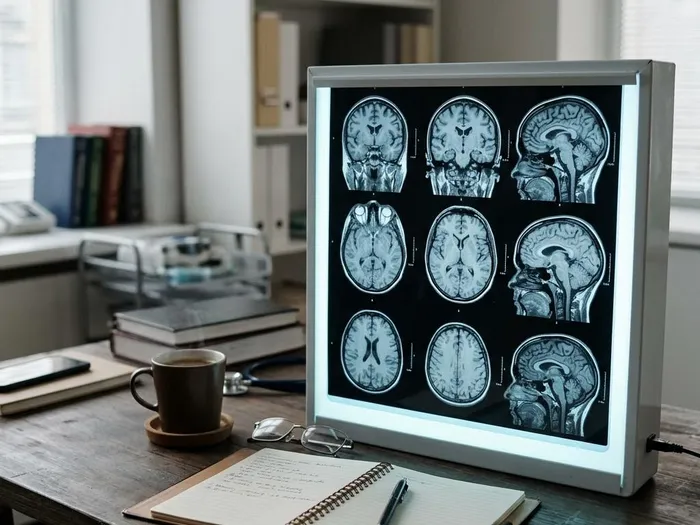
A traumatic brain injury can affect concentration, memory, balance, mood, and the ability to manage everyday tasks. Some effects are obvious immediately, while others become clearer after returning to work, school, or family responsibilities. The New York Department of Health notes that symptoms can emerge days or weeks after an injury, making appropriate medical follow-up important.
A Long Island brain injury lawyer can investigate the event that caused the trauma and evaluate evidence of its lasting consequences. A claim arising from a Nassau or Suffolk vehicle crash, fall, construction incident, or other event needs to address both legal responsibility and the individual’s actual medical and practical needs.
Medical evaluation should guide the response
A legal review is not a substitute for medical evaluation. Seek emergency help for serious or worsening symptoms and follow professional instructions about care, activity, and follow-up. The Department of Health describes a range of possible symptoms, including headaches, confusion, memory difficulties, dizziness, mood changes, and problems with sleep or concentration.
Do not attempt to diagnose the severity of an injury from an internet description or a person’s ability to speak normally after an accident. Qualified providers can assess symptoms and determine appropriate testing and treatment. Accurate communication about when changes began is more useful than minimizing difficulties or assuming every symptom has the same cause.
Investigate the event that caused the injury
The legal basis depends on the accident. A motor vehicle claim may involve driver conduct and insurance rules. A fall may require evidence of a dangerous condition and notice. A construction event can raise workers’ compensation, Labor Law, and third-party questions. The diagnosis alone does not establish who is responsible.
Preserve photographs, witness details, incident reports, recordings, and damaged equipment where appropriate. Explain any loss of memory without trying to fill gaps by guessing. Other evidence may help reconstruct the event, and the absence of a complete recollection should lead to careful investigation rather than an assumption about how the injury occurred.
Document changes that are difficult to see
Brain injury consequences may appear in work performance, planning, tolerance for noise, communication, or family routines. A factual account of concrete changes can help providers understand the situation. Describe missed tasks, reduced stamina, or difficulty following instructions rather than relying only on broad labels such as not feeling like yourself.
Family members, colleagues, and others may notice differences the injured person has difficulty recognizing. Their observations should remain accurate and distinguishable from medical opinions. Keep treatment records and recommendations together, and avoid presenting a single normal-looking interaction or test as a complete measure of everyday functioning.
Evaluate future support without making assumptions
Some people improve substantially; others face longer-term rehabilitation, supervision, workplace adjustments, or care needs. Future losses should be based on appropriate professional evidence and the person’s circumstances, not the most severe example of another patient’s experience. A meaningful evaluation can involve medical, rehabilitation, vocational, or economic information as appropriate.
Potential damages may include treatment expenses, lost income, future support, and other legally available losses. Applicable motor vehicle thresholds, fault rules, insurance limits, and reimbursement obligations may affect the claim. A diagnosis should never be used to promise a fixed recovery or to imply that every brain injury follows the same course.
Organize a review around the person’s needs
Bring the accident date and location, available reports, provider names, treatment timeline, and insurance correspondence. Written questions can make a consultation easier when attention or memory is affected. A trusted family member may help organize information, subject to the injured person’s wishes and any legal arrangements relevant to their capacity.
Deadlines are tied to the underlying claim and parties, not simply to the date a person fully understands the injury’s consequences. Public entities and work-related events can require additional procedures. A free case review can help identify urgent preservation and timing issues while leaving medical decisions with the treating professionals and allowing the person time to consider legal options.
Common questions
- Can a concussion have meaningful legal consequences?
- A concussion is a form of traumatic brain injury, but a claim still requires evidence of responsibility, causation, and actual loss. The label alone does not establish severity or case value. Appropriate clinical documentation and specific descriptions of functional changes can help explain the effects of the injury.
- What if symptoms were not obvious on the accident date?
- Tell a medical professional when symptoms developed and provide an accurate history of the event. Delayed recognition can occur, but causation still needs evaluation and other explanations may need consideration. Do not assume either that a later symptom cannot be related or that every later difficulty necessarily resulted from the accident.