
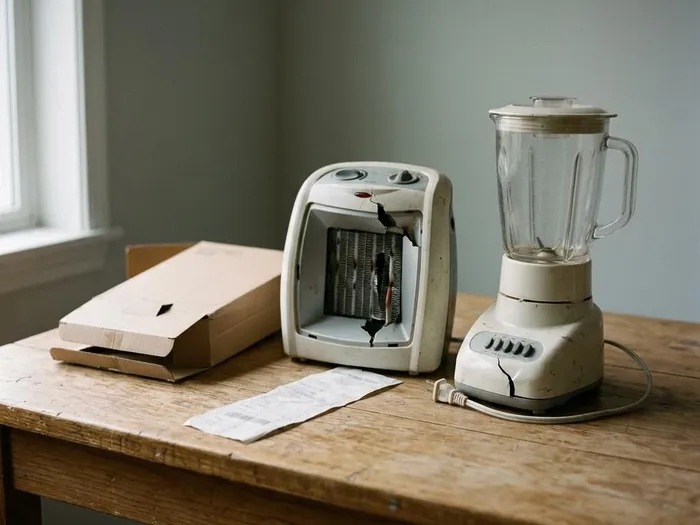
A consumer product, appliance, tool, or piece of equipment can cause an injury even when it appears ordinary or has been used many times before. Understanding whether a defect contributed requires preserving the actual product and examining how it was designed, made, labeled, maintained, and used. The fact that something broke does not, by itself, answer every liability question.
A Long Island defective product lawyer can investigate an injury involving a household item, workplace equipment, vehicle component, or other product. For people in Nassau and Suffolk County, keeping evidence intact can be particularly important because an insurer, retailer, or repair service may request possession before the legal significance is clear.
Different defects require different proof
A manufacturing defect concerns a product that differs from its intended design or specifications. A design claim concerns the safety of the design itself, which can require technical analysis of risks and alternatives. A warning claim addresses whether appropriate instructions or risk information were provided and whether a deficiency contributed to the injury.
Several theories may need evaluation, but they should not be treated as interchangeable. An expert examining a broken component may answer different questions from an expert analyzing product design or warnings. The investigation should identify the alleged defect and connect it to the event rather than assume that a bad outcome proves every possible theory.
Do not discard, repair, or alter the evidence
If safe, keep the product, failed parts, packaging, manuals, warnings, receipts, and model or serial number. Photograph its condition and the setting in which it was used. Store the item in a way that avoids additional damage or exposure, and do not continue using it merely to reproduce the failure.
Safety comes first. A product presenting a fire, electrical, chemical, or other immediate hazard may need professional handling. Explain that concern before attempting to move or store it. Before sending an item to a manufacturer or insurer, ask about documenting its condition and preserving a fair opportunity for inspection by the parties involved.
Identify the product’s history and distribution chain
Potentially relevant parties can include a manufacturer, distributor, retailer, installer, or repair business, depending on the facts and legal theory. Brand names do not always identify the legal manufacturer, and an online marketplace listing may not reveal the entire sales chain. Order confirmations and packaging can provide useful identifying information.
Maintenance, modifications, prior repairs, age, storage, and actual use may become part of the investigation. Be candid about those facts rather than assuming they automatically help or defeat a claim. A reliable analysis considers alternative explanations for the failure and tests whether the alleged defect caused the injury.
A recall is useful information, not the whole case
The Consumer Product Safety Commission maintains recall information that may help identify known hazards for products within its jurisdiction. A matching recall can be relevant, but the exact model and circumstances need verification. Conversely, the absence of a recall does not establish that every individual product is free from a legally significant defect.
Preserve medical records describing the injury mechanism and treatment, along with photographs, work restrictions, and expenses. Burns, lacerations, crush injuries, and other harms may require care beyond an initial visit. Potential damages depend on evidence of the actual losses, the governing law, and a supportable connection to the product.
Ask about inspection, deadlines, and related claims
A workplace product injury may raise workers’ compensation and third-party liability questions. A vehicle component failure can overlap with a collision claim, and medical devices may involve additional legal issues. Explain the full context so the reviewing attorney can identify which claims and coverage issues need separate attention.
The time to sue can vary with the legal theory, injury, parties, and other circumstances; warranty-related questions may follow rules different from a negligence claim. Bring the purchase information, product identifiers, injury date, photographs, and any recall or company correspondence to a free review. Early advice can help plan a proper inspection while important evidence still exists.
Common questions
- Can I have a claim if the product was not recalled?
- Possibly. A recall is not a prerequisite to every product liability claim. The issue is whether the applicable legal elements can be proved for the product and injury involved. An investigation may require inspection, technical records, and expert analysis rather than reliance on a public recall search alone.
- Should I accept a replacement or refund immediately?
- A replacement offer may not address an injury claim, and returning the original item can affect access to evidence. Keep the complete offer and ask what any accompanying document would release. Do not assume that accepting a refund either resolves every legal issue or has no consequences for a potential claim.