
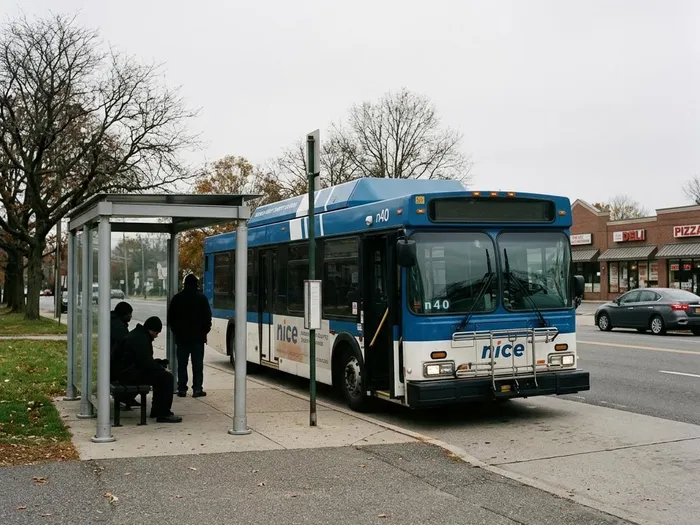
A bus accident can injure passengers, pedestrians, cyclists, or people in another vehicle. The legal questions may depend on whether the vehicle was a public transit bus, school bus, private shuttle, or charter coach. The route name and paint scheme do not always identify the company that owned, operated, or maintained it.
A Long Island bus accident lawyer can examine how an injury occurred and which parties need to be investigated. For someone hurt in Nassau or Suffolk County, identifying the bus and its operator early can help clarify insurance questions and any special procedures required before a lawsuit.
Record the route, vehicle number, and actual operator
Useful identifying details include the route, direction of travel, stop, approximate time, vehicle number, and license plate. Keep a fare receipt, ticket, trip confirmation, or electronic payment record where available. If the vehicle was transporting students or serving a private facility, identify the organization arranging the trip as well as the business named on the bus.
Ownership, operation, maintenance, and staffing may involve different entities. An investigation should determine the actual relationships rather than assume that a school, county, or transportation brand is automatically the proper defendant. This distinction can affect where preservation requests and legal notices should be directed.
Passenger injuries require context, not assumptions
Passengers may be hurt in collisions, while boarding or exiting, by a door, or after a sudden movement. The legal significance of a stop or turn depends on its nature and the surrounding facts. An ordinary movement of a bus is not evaluated in precisely the same way as an unusually violent event supported by witnesses or recordings.
Describe where you were seated or standing, whether you were holding a rail, and what happened immediately before the injury. Other passengers may help establish the movement’s effect across the vehicle. Photograph visible conditions and preserve contact details, but do not assume that a crowded bus or an injury alone proves negligence.
Bus recordings and operational records may help
Depending on the vehicle, cameras may show the road, the passenger area, or boarding and exiting. Dispatch records, driver reports, inspection materials, and maintenance records can also become relevant. A recording’s usefulness may extend to the minutes before the incident, when vehicle movements or a developing hazard were visible.
Retention policies vary, and material may be overwritten before medical treatment is complete. Provide the date, time, route, and vehicle number as soon as practical so preservation can be considered. Keep your own original images and messages as well; a formal investigation should supplement rather than replace the evidence already in your possession.
Public and private buses may follow different procedures
Insurance benefits and liability claims need separate evaluation. Eligible people may have no-fault coverage depending on their role and the circumstances, but the responsible insurer and any special rules should be confirmed. An injury involving a school bus or an employment-related trip may raise additional questions that a generic automobile claim summary will not resolve.
A public-entity claim can require a formal notice and other procedural steps on a shorter timetable than an ordinary negligence lawsuit. New York’s notice-of-claim statute contains a 90-day requirement in many covered situations, with exceptions and entity-specific rules requiring careful review. Reporting an incident to a driver or dispatcher is not necessarily a substitute.
Document treatment and the practical consequences
Keep medical records, work restrictions, wage documentation, and receipts connected with the injury. Explain whether the incident affected your ability to commute, care for family, or perform job duties. Those facts help place expenses and limitations in context. Future treatment or work losses should be supported by appropriate evidence rather than assumed.
A free bus accident case review can help organize the investigation and explain what is known, what remains uncertain, and which deadlines need attention. Bring any correspondence from the operator or insurer. Do not sign a release without understanding which claims it ends, particularly while treatment needs or the identity of responsible parties remain unresolved.
Common questions
- Can I have a claim if the bus did not hit another vehicle?
- Possibly. Boarding hazards, door incidents, and certain unusual movements may warrant investigation even without a collision. Liability depends on evidence of the relevant conduct or condition and its connection to the injury, not solely on whether two vehicles made contact.
- What if I was struck while walking near a bus?
- A pedestrian claim may require analysis of the bus driver’s movements, visibility, traffic signals, and the pedestrian’s location. Coverage and notice issues may differ from those of a passenger. Describe exactly where you were and preserve information identifying both the bus and its operator.