
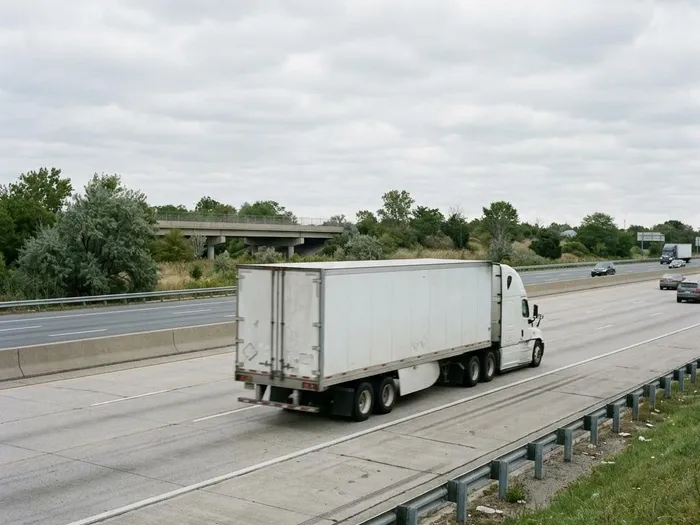
A collision with a tractor-trailer, delivery truck, or other commercial vehicle raises questions that do not always arise after an ordinary car crash. The driver may work for one company, the trailer may belong to another, and a separate business may have loaded the cargo. Understanding those relationships can be essential to identifying who should answer an injury claim.
A Long Island truck accident lawyer can investigate the vehicle, its operation, and the businesses connected to the trip. Whether the crash happened on the Long Island Expressway, Sunrise Highway, or a local delivery route, the goal is to preserve reliable evidence and connect any safety failure to the harm it caused.
Look beyond the person behind the wheel
A truck driver’s conduct is one part of an investigation. Depending on the circumstances, an employer or motor carrier may also face questions about hiring, supervision, scheduling, or vehicle maintenance. Cargo-loading businesses and repair contractors may become relevant if shifting freight, a defective component, or an inadequate repair contributed to the collision.
Responsibility is not established simply because a company’s name appears on the side of a truck. Contracts, ownership records, employment arrangements, and actual control over the work can matter. Identifying the correct legal entities early helps avoid directing an insurance demand only to the most visible business while overlooking another potentially responsible party.
Commercial vehicle evidence needs prompt attention
Useful records may include dispatch communications, electronic logging information where required, inspection reports, maintenance invoices, driver qualification materials, and cargo documents. Some trucks also have dash cameras, telematics, or event data that can help establish braking, speed, or vehicle movements. Not every commercial vehicle carries every type of recording system.
These records may be stored by different companies and kept under different retention schedules. An attorney can consider preservation requests and, where appropriate, formal legal procedures to obtain them. Keeping your own photographs, tow information, witness contacts, and insurance letters is helpful, but it should not replace an investigation into records controlled by the trucking operation.
How safety rules can inform a claim
Federal and state safety requirements may address driver qualifications, hours of service, inspections, cargo securement, or other operational issues. Which rules apply depends on the vehicle, the trip, and the carrier’s operations. A local delivery van should not automatically be analyzed under precisely the same regulatory framework as an interstate tractor-trailer.
A regulatory violation can be important evidence, but the analysis still needs to explain how it contributed to the injury. For example, a maintenance record matters most when it helps establish a connection between a known equipment problem and the crash. A careful case review separates meaningful safety evidence from unrelated paperwork deficiencies.
Evaluate injuries and future needs carefully
Commercial vehicle collisions can cause fractures, spinal injuries, traumatic brain injuries, and other conditions requiring lengthy treatment. The relevant question is what happened to this injured person, not what typically happens in a truck crash. Medical records, specialist opinions, rehabilitation needs, and changes in work capacity can help document the actual consequences.
Potential damages may include medical expenses, lost earnings, future losses, and non-economic harm where legally available. Insurance limits, the applicable injury threshold, and fault issues can affect recovery. New York motor vehicle rules require attention to the accident date and coverage details; an online promise of a particular payout cannot substitute for that analysis.
What to bring to a Long Island truck accident consultation
If safely available, record the truck’s license plate, company markings, vehicle number, and any identifying numbers on the cab or trailer. Preserve photographs without editing the originals. Provide the report number, exact roadway or intersection, approximate time, and any communication from the trucking company or an adjuster.
Ask about both insurance notice requirements and the time to bring a lawsuit. Eligible occupants of some vehicles may have no-fault benefits, while other issues require a liability claim. Public entities, work-related travel, and a fatal collision can add separate considerations. A free case review can help organize those questions while the relevant evidence is still obtainable.
Common questions
- Does every truck crash involve federal trucking regulations?
- No. Applicability depends on factors such as the vehicle’s size, its use, and whether the transportation falls within the relevant regulatory definitions. The truck’s appearance alone does not answer those questions. An investigation should identify the actual operation before drawing conclusions about particular safety requirements.
- What if I was working when the collision happened?
- A work-related crash may involve workers’ compensation as well as a possible claim against someone outside the employment relationship. Those claims can interact through reimbursement rights or other rules. Tell the reviewing attorney about your employer, your job duties, and any benefits already requested so those issues can be considered together.